

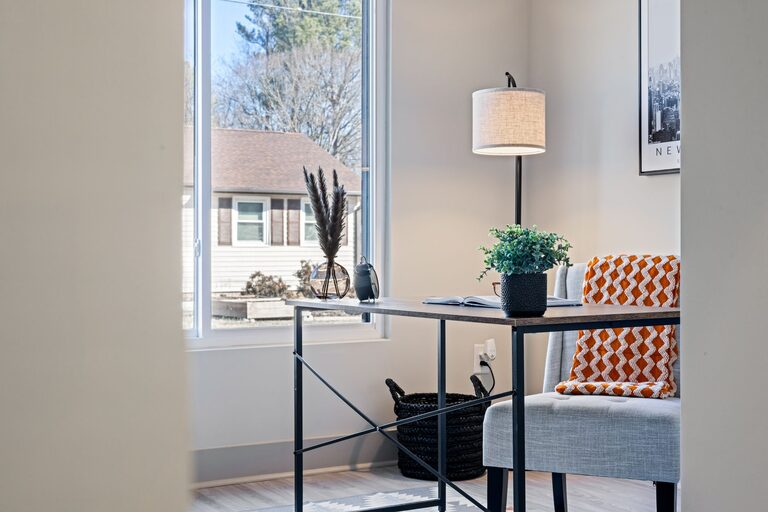
Creating a home office that balances comfort and functionality can greatly enhance your productivity and overall work experience. Whether you’re working remotely full-time or need a dedicated spot for occasional tasks, a well-designed home office can make all the difference. Here are some helpful tips to transform any corner of your home into a cozy and efficient workspace.
Choose the Right Location
Consider Natural Light
Natural light can boost mood and focus, so try to place your desk near a window if possible. This will help reduce eye strain and create an inviting atmosphere. However, be mindful of potential glare on your computer screen, and consider adjustable blinds or curtains to control sunlight.
Minimize Distractions
Select a quiet area in your home to maintain concentration. If space is limited, using room dividers, noise-canceling headphones, or soundproofing elements can help create a focused environment.
Invest in Comfortable and Functional Furniture
Select an Ergonomic Chair
Since you’ll spend many hours sitting, invest in a chair that supports good posture. Look for adjustable features such as seat height, backrest tilt, and lumbar support.
Choose a Suitable Desk
Pick a desk that fits your space and workflow. Make sure it’s large enough for your computer, accessories, and any paperwork you might have. Standing desks or adjustable desks are also popular for promoting movement throughout the day.
Organize Your Workspace Efficiently
Declutter Regularly
Keep your desk tidy by clearing unnecessary items. A clutter-free zone helps minimize distractions and makes it easier to find what you need.
Use Storage Solutions
Shelving units, filing cabinets, and drawer organizers keep supplies and papers neatly stored. Consider vertical storage to save floor space while keeping essentials within reach.
Cable Management
Messy cables can look untidy and be a safety hazard. Use clips, sleeves, or under-desk trays to keep wires organized and out of the way.
Personalize Your Space
Add Cozy Touches
Incorporate soft textures like a plush rug, cushions, or a throw blanket. These elements make your office feel inviting and comfortable.
Bring in Plants
Houseplants improve air quality and add a refreshing touch of nature to your workspace. Choose low-maintenance varieties like pothos or snake plants.
Use Color Thoughtfully
Colors influence mood and focus. Calming shades like blues and greens are great choices for concentration, while warmer tones like yellows and oranges can inspire creativity.
Pay Attention to Lighting
Layer Your Lighting
Combine ambient lighting with task lighting to reduce eye strain. A desk lamp with adjustable brightness is perfect for focused activities, while overhead lights provide general illumination.
Avoid Harsh Fluorescent Bulbs
Soft, warm light bulbs create a more relaxing environment and mimic natural daylight better than harsh fluorescents.
Maintain a Healthy Work Routine
Take Regular Breaks
Design your office layout to encourage movement. Standing up, stretching, or walking around briefly every hour helps reduce fatigue.
Set Boundaries
Define clear work hours and keep your home office separate from leisure spaces when possible. This helps maintain a healthy balance between work and personal life.
—
By paying attention to these aspects, you can create a home office that not only supports your work but also feels cozy and welcoming. With a well-designed space, coming back to your desk will be something you look forward to every day.